

sliding glass door panels
Understanding the 1 Way Check Valve A Vital Component in Fluid Control Systems A 1 way check valve, also known as a unidirectional valve or non-return valve, plays a crucial role in various fluid control systems. This ingeniously designed component is primarily used to allow fluid flow in one direction while preventing it from flowing back in the opposite direction. Its functionality is critical for maintaining system integrity and preventing backflow, which can lead to contamination, equipment damage, or even system failure. The '1 way' in the term refers to the valve's single port design, meaning it has one inlet and one outlet. Unlike a two-way valve that allows fluid to flow in both directions, a 1 way check valve ensures a unidirectional flow. The valve opens when the fluid pressure exceeds a certain threshold, allowing the fluid to pass through. Once the flow direction reverses, the valve automatically closes, thereby preventing backflow. The operation of a 1 way check valve is based on a simple yet effective mechanism. It typically consists of a valve body, a spring, and a disc or a ball. When fluid flows in the intended direction, it pushes the disc or ball against the force of the spring, opening the valve. Conversely, when the flow attempts to reverse, the spring's force keeps the valve closed, stopping the fluid from flowing back Conversely, when the flow attempts to reverse, the spring's force keeps the valve closed, stopping the fluid from flowing back Conversely, when the flow attempts to reverse, the spring's force keeps the valve closed, stopping the fluid from flowing back Conversely, when the flow attempts to reverse, the spring's force keeps the valve closed, stopping the fluid from flowing back 1 way check valve . These valves find applications in a myriad of industries, including oil and gas, chemical processing, water treatment, and pharmaceuticals. They are often installed in pumps to prevent pump cavitation, in pipelines to protect against backpressure, and in pressure vessels to maintain system pressure. One of the key advantages of the 1 way check valve is its simplicity. Its straightforward design makes it less prone to malfunction and easier to maintain compared to more complex valve designs. However, it is essential to choose the right type of check valve based on the specific application requirements, such as fluid properties, pressure ratings, and flow rates. In conclusion, the 1 way check valve is an indispensable element in fluid control systems, ensuring the safe and efficient flow of fluids. Its ability to prevent backflow not only safeguards the system but also contributes to process reliability and longevity. Despite its seemingly simple function, the role it plays in maintaining system integrity cannot be overstated. As technology advances, we can expect further innovation in the design and materials of these valves, enhancing their performance and suitability for diverse industrial applications.
about
sliding glass door panels
Understanding Thread Plug Gauge Standards Thread plug gauges play a crucial role in ensuring the quality and accuracy of threaded components in various manufacturing and engineering applications. These gauges are specifically designed to check the dimensions and tolerances of internal threads in holes and are essential in conforming to various industry standards. This article delves into the significance of thread plug gauge standards, their classification, and their applications. What is a Thread Plug Gauge? A thread plug gauge is a specialized tool used to measure the pitch diameter and the effective diameter of internal threads in a workpiece. Unlike other measuring tools, thread plug gauges are precision instruments that provide either a go/no-go indication. This means they determine whether the tested internal thread is within specified tolerances without providing a numerical measurement. This simplifies the inspection process and enhances speed and efficiency in production environments. Importance of Standards Standards for thread plug gauges exist to ensure consistency, reliability, and quality across different manufacturers and industries. The main standards include the American National Standards Institute (ANSI), the International Organization for Standardization (ISO), and other region-specific guidelines. These standards define the dimensional tolerances, thread profiles, materials used, and the testing methods for thread plug gauges. Adhering to these standards offers several benefits 1. Quality Assurance Standardized gauges ensure that the threaded components fit correctly, function as intended, and maintain the integrity of assemblies. 2. Interchangeability Using standardized gauges allows components made by different manufacturers to be compatible, thus facilitating easier repairs and replacements. 3. Traceability Compliance with international standards provides a framework for tracing the quality and origin of the gauges, aiding in quality control processes. Types of Thread Plug Gauges thread plug gauge standard Thread plug gauges are generally classified into two categories 1. Go Gauges This type of gauge is used to check whether the internal thread is correctly formed and falls within the acceptable range of specifications. If the thread can accept the go gauge, it passes the inspection for acceptable dimensions. 2. No-Go Gauges These gauges are used to determine the upper limit of the internal thread dimensions. If the no-go gauge fits, it indicates that the thread has exceeded the maximum allowable limit and is deemed unacceptable. Applications of Thread Plug Gauges Thread plug gauges are extensively used in various industries, including automotive, aerospace, and general manufacturing. They serve in applications such as - Quality Control Employed during the production process to ensure that threaded components meet required specifications before they are used in assemblies. - Maintenance and Repairs Used in maintenance environments to verify the integrity of existing threaded connections and ensure that replacement parts can fit seamlessly. - Research and Development Thread plug gauges aid engineers in the design and prototype testing stages, where precision is critical. Conclusion Thread plug gauge standards are vital components in maintaining the quality and functionality of threaded components in multiple industries. By adhering to established standards, manufacturers can ensure product reliability, enhance compatibility, and ultimately improve customer satisfaction. Ensuring that thread plug gauges are accurately calibrated and compliant with industry standards is an essential practice that contributes to the overall success of manufacturing processes.
-

High quality industrial productsagement

High quality industrial products
View Details -

Meet the diverse needs of customers

Meet the diverse needs of customers
View Details -

Strict quality control

Strict quality control
View Details -

Top raw materials

Top raw materials
View Details -

Trusted supplier

Trusted supplier
View Details
Our application


news and information
Welding table with dimensions 3x6 for efficient work
The Significance of a 3x6 Welding Table in Modern Welding Operations A welding table is an essentia

Van cổng
Van cổng, hay còn được gọi là van xẻng, là một trong những thiết bị quan trọng trong hệ thống đường
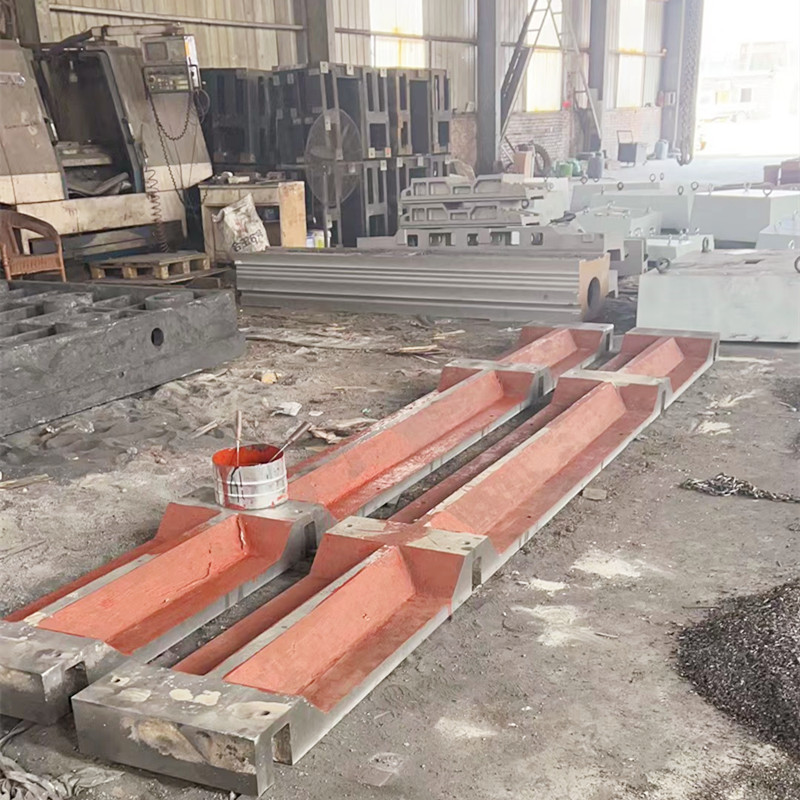
Versatile 3x4 Welding Table for Precision Projects and Durable Fabrication
3x4 welding table .
 English